Smart ways to borrow money
Borrowing isn't the problem. Not knowing the real cost is. These guides cover personal loans, credit, student loans and home equity so you can compare before you sign. First stops: the best personal loans and how a home equity agreement compares with a HELOC.
Browse by topic
Start with your situation
Pick the one that sounds like you.
- I need a loanCompare personal loan lenders.
- My credit isn't greatHome equity loan options by credit score.
- I'm refinancing student loansThe best student loan refinance lenders.
- I'm starting my creditEasy ways to establish credit from scratch.
- I'm shopping for a car loanAuto loan rates by credit score.
- I'm short before paydayCash advance apps compared.
Start here
The guides to read first.



Savvy move
Before you sign
Three quick checks that keep more money in your pocket.
- 1Compare APR, not the monthly payment.A longer term can shrink the payment and still cost you more overall. APR rolls interest and many fees into one yearly number, so use it to line offers up.
- 2Find the fees before you fall for the rate.Origination fees, late fees and prepayment penalties change what a loan really costs. Ask for the full list.
- 3Prequalify first when you can.Many lenders let you check your rate with a soft credit pull, which doesn't affect your score. A full application usually means a hard pull.
All Borrow guides
75 guides, newest first.
 Best Cash Advance Apps When You Need Money TodayUpdated Oct 27, 2026
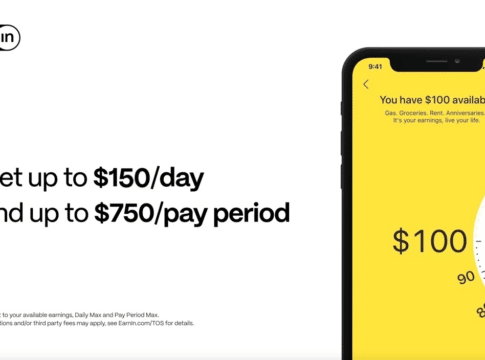 EarnIn vs Dave: Limits, Fees and Which Cash Advance App to PickEarnIn vs Dave: up to $1,000 a pay period with no monthly fee, or up to $500 with a membership of up to $5 a month.Updated Oct 23, 2026
 Banks That Offer a First Lien HELOC (2026): 5 Lenders and What Each RequiresUpdated Oct 20, 2026
 TD Bank Home Equity Loan vs. HELOC (2026): Which to Pick, Fees and AlternativesUpdated Oct 20, 2026
 Rocket Mortgage HELOC (2026): Does It Exist, and What to Get InsteadUpdated Oct 20, 2026
 Hometap vs Unison 2026: Costs, Requirements and Which Fits YouUpdated Oct 17, 2026
 Point vs Splitero 2026: Costs, Requirements and Which Fits YouUpdated Oct 17, 2026
 Achieve HELOC Review 2026: Fixed Rate, Full Draw, Closing Costs to CheckUpdated Oct 13, 2026
 Upstart Home Lending HELOC Review 2026: APR, Fees, Requirements and ComplaintsUpdated Oct 13, 2026
 JG Wentworth Home Equity Cashout Review 2026: Costs, Requirements, Pros and ConsUpdated Oct 17, 2026
 Point Home Equity Review 2026: Costs, Requirements, Pros and ConsUpdated Oct 17, 2026
- Hometap vs Point 2026: Costs, Requirements and Which Fits YouUpdated Oct 17, 2026
Quick answers
What should I check before I take out a loan?
The APR, the term, every fee and what happens if you pay it off early. Put two or three offers side by side and compare the total you would repay, not just the monthly payment.
What's the difference between an interest rate and APR?
The interest rate is the price of borrowing the money. APR adds many of the fees on top, so it shows the yearly cost more fully. Use APR when you compare loans.
Does checking my rate hurt my credit?
Often not. Many lenders prequalify you with a soft pull, which doesn't affect your score. Formally applying usually triggers a hard inquiry, which can lower it a little. Check which one a lender uses before you click.